Monday, July 9, 2012

Bacon, Carrots and Beets


We've been harvesting lots of vegetables lately.  I'm especially proud of my carrots.  Terry is proud of his beets.  Bacon wants to play with the strange orange "sticks."  

Tuesday, June 19, 2012

Today's Harvest

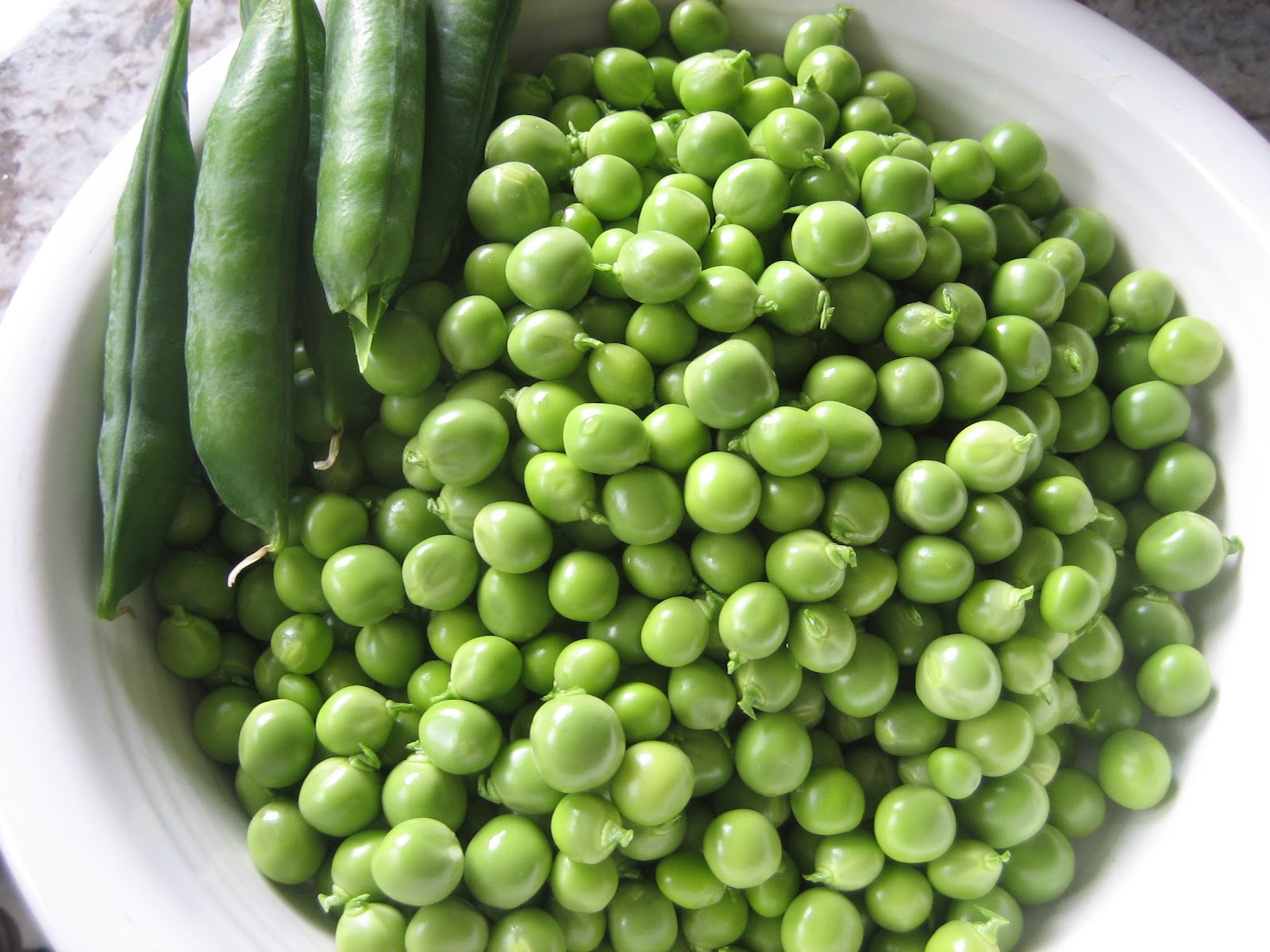
This day's harvest is why we garden...  fresh peas are the best treat ever!  I love how you can eat them raw, steam them a little, or freeze them.  Fava Beans are easy to shell and toss in the freezer.  And garlic is super easy to dry and stores a long time.  Our goal this year is to grow enough to store and rather than pig out on everything as we pick it, set some aside for later.  We're on our way.  

Fava Beans

Shelled Fava Beans

I just keep adding to the freezer bag as more fava bean pods mature.

Shelling Peas

Snow Peas

Sugar Snap Peas

Garlic

Hey, can anyone recommend a good juicer?
Also, has anyone else noticed that brown aphids are in abundance this year?

Monday, June 18, 2012

Earwig Damage

So, I planted out some eggplants and cucumbers a week or two ago and every night the plants were getting smaller.  The nibbling pattern didn't look like slugs or caterpillars, so Terry went out one night to see if it was pill bugs.  Well, he saw hundreds of hungry earwigs chomping away on the eggplant, cucumber, and fava bean plants.  Every year there is a different pest challenge.  This year it's earwigs.  


 The next day we did a little internet research and made some traps with oil in the bottom.  Supposedly the earwigs crawl in and get stuck in the oil.  After nightfall we donned our headlamps and went back out to check the traps.  Although no earwigs were in the traps yet, we squished tons of them.  I'm getting a lot better at squishing bugs- albeit with gloves on.  (Sorry no photos of the carnage- earwigs are just too gross to take close up photos of.)  We scoped out the rest of the garden and also found earwigs on the potatoes and artichokes.  Terry also stomped some giant slugs ((also too gross to photograph)(even sicker is that Bacon likes to chew the slug carcasses once they are dried up)).

In the morning we went back out and saw no earwigs in the traps.  I googled around some more and found one suggestion to add soy sauce.  So I added a little soy sauce to the traps.  The following morning, the traps were not where we left them.  They were crunched with puppy dog teeth and left strewn about.  Bacon apparently likes the smell of soy sauce.  It's back to the drawing board.  

Beet Thinnings

So, we finally thinned our beets...

Note to self: thin beets earlier to avoid monster bowl of beet greens to process.  

We enjoyed a nice assortment of baby beets with our lunch.


Thursday, June 7, 2012

Beans


It being early June and the soil is warming up- it is time to plant beans.  As a child, I knew beans as the can of salty slimy mushy things promoted by the Jolly Green Giant.  I don't remember eating fresh green beans as a child.  I think I first considered purchasing fresh beans after watching cooking shows on TV in my late twenties or early thirties.  It wasn't until I grew my own that I had that ah-ha, this is what beans should taste like moment.  

The term "Beans" encompasses multiple types of plants and hundreds of varieties.  According to one of my books, there are over 600 varieties available in the US.  I'll focus here on Runner Beans and Green Beans.  

Unlike Old World beans like garbanzos and fava beans, Runner Beans and Green Beans are from the New World, Central and South America.  There is evidence that Green Beans have been cultivated for more than 8000 years.  They were brought back to europe in the 16th century by the Spanish explorers.

These beans are easy to grow as long as you plant them in the late Spring after the soil has warmed up to at least 55 degrees.  It helps if the daily air temperature is on the rise also.  We wait to plant until late May or early June.  You could plant earlier with the help of a poly tunnel or row cover over your plot.  Also beware that deer like to eat bean plants.  The ones that we had planted in our parking strip last year were browsed upon a couple of time.  They thankfully recovered. 

Runner Beans (Phaseolus coccineus) aka Scarlet Runner Bean are often grown primarily for their beautiful flowers, but the young pods and fresh seeds are eaten as well.  They can grow 6 to 10 feet tall so a structure is needed to support them.  A little creativity can make for a beautiful display.

Green Beans (Phaseolus vulgaris) aka French, Wax, Bush, Snap, String; filet; flageolet; Haricot; Haricot vert; Kidney, black, navy, pinto, etc.  Phaseolus vulgaris are the common beans that most of us are familiar with.  Why are they called French beans?  French Huguenot refugees first grew beans in Britain in the 1500s.  

All the different names for green beans can be confusing, but it is helpful to know the basics when reading recipes, especially for French and European dishes.  The french call the dried seeds, haricots, and the young pods, haricots verts.  French snap bean varieties that are picked when the pods are thin are called filet beans.  The pods and small immature beans are called flageolets.  

In the US, we know Phaseolus vulgaris as green shell, snap, or string beans. 

Wondering how to choose which type to grow?  Look at seed catalogues.  You'll be amazed at the array.  In seed catalogues you'll find green beans divided by bush and pole varieties.  Bush varieties were developed to make for easy commercial and mechanical processing.  They tend to come on early and with a short harvest period which is great if you plan on canning.  You need plenty of space to grow enough to process.  Pole varieties need a structure to grow on and while they start producing later than bush types they keep producing throughout the growing season as long as you keep picking the pods before they mature.  
Blue Lake Pole

In our kitchen garden, we've grown both bush and pole beans.  We prefer pole beans because of the extended harvest and because you can grow a large quantity in a pretty small amount of space.  The last two years we've grown Blue Lake pole beans, we planted way too many and were overwhelmed trying to keep up with them.  We blanched and froze the extras which were not as tasty as fresh.  Last year, we tried growing bush shelling beans for the first time.  It was fun to just let the beans dry on the vines and collect the dried pods, shell them and put them in the jar in cupboard for our fall soups and stews.

Horto Semi-Bush

This year we are growing:  Pole Beans- Fortex (Green Bean), Bingo (Dry Shelling Bean) and Blue Lake.  Also, Horto Semi-Bush (Dry Shelling Bean) and Yardlong Asparagus which is not a true bean, but is Vigna sesquipedalis.

What beans are you all growing this year? Have you grown Yardlong beans before? Do they really taste like Asparagus?


Wednesday, May 23, 2012

Vegetable Profile: Broccoli and Calabrese


The spring I’ve had more than one visitor look at my purple sprouting broccoli covered in mature buds and question, “Where’s the broccoli?”  I explained that all those small purple sprouts were the broccoli.  That gave me the idea of doing a new series of posts delving into the details of different crops.  I have a number of books that have helped us along the way to understand how different crops are related to each other.  So, here’s what I’ve gleaned about broccoli.
Purple Sprouting Broccoli
First of all I’d like to say that taxonomists don’t all agree on how to classify the different types of broccoli.  I’m going to primarily use information from my books that were published in the UK, since broccoli was developed in Europe. 

Broccoli is in the Brassica (Cabbage) family.  It was developed from the wild cabbage in the 17th century in Italy.  The part we know as broccoli at the grocery store is the flower bud.  All brassicas will form flower buds which is troubling if you are trying to grow a cabbage to harvest.  (If you’ve had cabbage “bolt” you know what I mean.)  Broccoli varieties have been breed to form nice flower buds for harvesting.  Broccoli varieties are divided into sprouting types and heading types.  They are cultivated in different ways.

Sprouting Broccoli (Brassica oleracea Cymosa Group)(Purple Sprouting)
This group is very hardy and makes an excellent winter crop.  The flower buds are typically purple, but there are cream white varieties.  The flower buds form on both the top of the plant and on side shoots.  They produce over a long season from early winter to late spring.  We planted our purple sprouting broccoli in late august and was harvesting from early March to late May.

Heading Broccoli (Brassica oleracea Italica Group)(Calabrese, Green Sprouting Broccoli, Italian or American Broccoli)
This group produces a large central head and is what one typically thinks of as Broccoli.  Some varieties produce sideshoots after the main head is harvested.  Romanesco (Roman broccoli) is another form of heading broccoli that is cone shaped with smaller conical whorls on the surface.  Heading broccoli can be successively planted from early spring to mid summer, for harvesting from summer to fall.  In a mild winter a young plant may survive to produce heads in the spring, but it is much less hardy than the purple sprouting types and may not make it.

To make matters more confusing there are also types of Chinese broccoli and Broccoli rabe.  I’ve never grown Chinese broccoli, so I don’t have much to write about that.  Broccoli rabe is super easy to grow and is popular in Italy.  It is grown for its greens, stalks, and tangy flower buds.  It has a very strong flavor with the bitterness common in greens.  Broccoli rabe is very hardy and can be overwintered.  We only grew it once and found that we prefer the taste of kale and purple broccoli for our winter crops.  But, it is one for those easy crops that everyone should try at least once.  Plant in early fall. 

With all broccoli, it is important to harvest while the flower buds are tightly packed.  The buds mature quickly and will open up with yellow flowers.  We have used the freshly opened flowers for stir frying which is really pretty.  You can also use the tender stems in cooking or for soups.  I like to grow brassicas that will be ready to harvest during the cool season.  The cold temperature causes the plants to concentrate their sugars, so they are sweeter than those picked during the warm season.  
Broccoli rabe flower buds that have opened.  Used in sir fry. 
I won’t go into too much detail about pests and diseases.  If you don’t like caterpillars and aphids in your broccoli, I would recommend row covers to keep out the white cabbage moths and aphids during the spring and summer.  A row cover will also keep the cabbage root maggot fly from laying eggs in your soil.  The root maggots will hatch and eat the roots of your seedlings and kill them.  If you grow overwinter pests are less of a problem.  Also rotate your crops to avoid clubroot that is a soil-borne fungus that deforms the roots and causes root-rot.  Crop rotation is a good idea to avoid pests and diseases building up in one spot.

So, if you are not deterred by the prospect of catepillars, aphids, maggots and fungus, I’d say give a few varieties of broccoli a try.  Definitely attempt overwintering purple broccoli.  It is so wonderful having something fresh to harvest in late winter after months of eating all those put up (canned, frozen, dried, and cellared) crops from the previous summer and fall harvests.

Tuesday, May 22, 2012

Mid- May Garden Update


We built a rustic trellis in our winter squash bed out of branches from our pine tree and lilacs.  We lashed it together with sisal twine.  

Our potato towers (adapted from the Henley Potato Tower) are almost full.  It seems like every few days we were adding more soil and pine straw.  We made notches in the boards to train some stems out the sides to bring more energy to the tubers.  I can't wait to see how well this system does compared to the ones that we planted in rows and hilled up.

Our Glenora & Concord grape vines (in their 3rd season) are finally full of flower clusters.


Parking strip is looking good.

The retaining wall garden is at the peak of blooming.  Usually it is covered in bees, but it's been so cold and wet lately, we haven't seen very many.  Terry has been squishing lots of slugs.


Sugar Snap Peas are climbing up the strings.

Fava beans are full of blooms and we've been eating lots of lettuce and spinach.

Tomatoes, cucumbers, and eggplants are hanging out in the poly tunnel.